
Higher degrees by research – Health Sciences Student Association (HDR-HeSSA) is a student-run association created to provide a professional network for doctoral students, researchers, and health science professionals within the health science field.
Along with networking opportunities, HeSSA offers various writing/productivity retreats and symposia for our members. These are created to provide advancement in the education of science and science communication.
2023 HeSSA Committee

Teagan stotz
Co-President
Summary of your PhD project:
I am completing my PhD on the topic of female sexual functioning.
A little about me:
I completed my Undergraduate and Honours degree at Swinburne University before going on to complete a Master of Teaching. I currently teach psychology at Swinburne and deliver training for various organisations such as Lifeline. I have worked as a teacher in various settings including psychology in secondary schools, teaching community services courses at TAFE and teaching English in Spain. I have also worked in various case management roles including with young people experiencing homelessness.
In my spare time…
I enjoy stand up paddleboarding, kayaking, and swimming in the ocean as well as spending time with family and friends. I also enjoy travel and have been to 30 countries and every state and territory in Australia!
Link to my study:
Women aged 18 years and over are invited to complete an online survey about sexual functioning and attitudes. CLick to participate: https://swinuw.au1.qualtrics.com/jfe/form/SV_9zgMsPLGzVMXeho
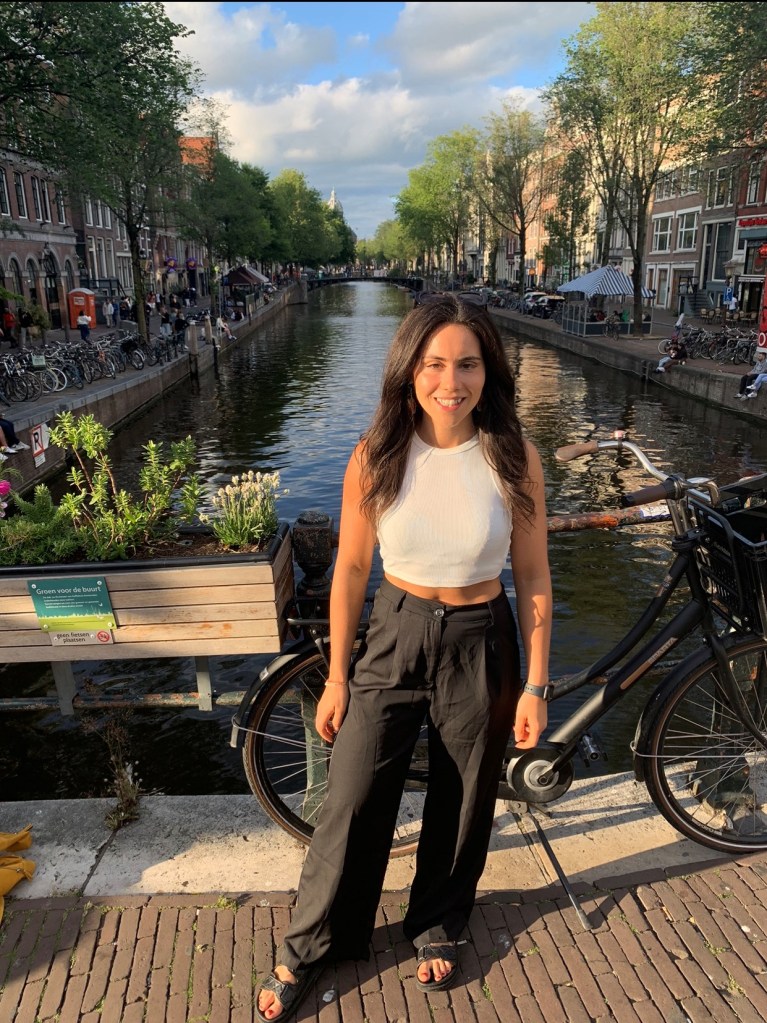
Nicola Acevedo
Co-President
Summary of your PhD project:
I am investigating the effectiveness of a neurostimulation therapy, called deep brain stimulation (DBS) for severe patients with obsessive compulsive disorder (OCD). I have used multimodal data including clinical, cognitive, psychosocial neuroimaging, and qualitative outcomes to examine the effects of DBS on people with OCD from a biopsychosocial and patient centered perspective.
What are your goals for post PhD life?
I have started a fellowship in psilocybin therapy for OCD, so I am very eager to get started on the trial, with the aim to establish the level of clinical efficacy of the treatment for OCD. In the long term, I am interested in establishing new treatment options for severe and chronic OCD patients, with a focus on neurostimulation therapies.
What is your top tip for surviving a PhD?
Take care of your physical and mental health! There can be a lot of pressure and it is easy to let healthy habits slip. For me, being physically sharp keeps me mentally sharp, so I would recommend having a balanced lifestyle (as much as possible), that allows time for physical activity, rest, and mindfulness. It is also important to acknowledge the wins no matter how small, and understand it is okay to go easy on yourself sometimes.
If you didn’t choose to work in research, what would you be doing?
As a kid I used to impersonate the infomercial ads on daytime TV and make my parents listen to me at the dinner table, so perhaps I would be doing something like that!
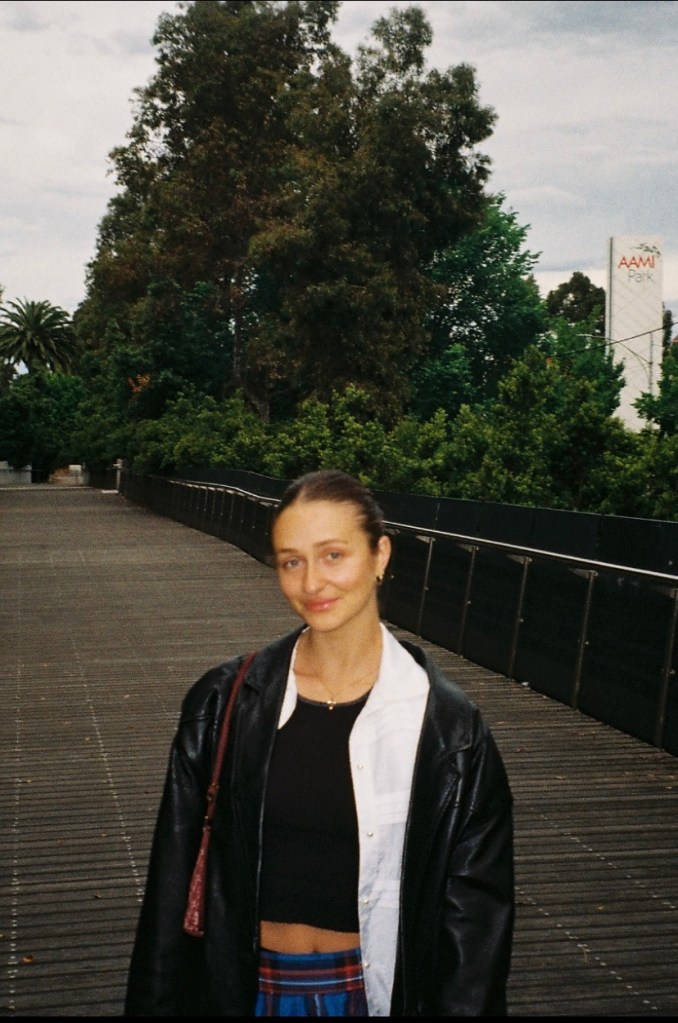
gemma virgili
General Committee Member
Summary of your PhD project:
I am investigating the use of brain stimulation for the treatment of body dysmorphic disorder.
What are your goals for post PhD life?
I am not sure where I will end up after my PhD but I would love to stay involved in body image research or further pursue interests in holistic health.
What is your top tip for surviving a PhD?
Making sure you do something for your mind, body, and soul each day!
If you didn’t choose to work in research, what would you be doing?
Probably frolicking in daisy fields somewhere…
 hessa.school.blog